
From Classics to New Favorites: 75 Years of Category Innovation
How assortments have evolved over the past 75 years and what that tells us about the future of lawn and garden retail.

Some categories never really disappear. They just evolve.
For generations, the lawn and garden industry has been built on familiar essentials: seed, fertilizer, pottery, tools, pest control, and the dependable products customers returned for season after season. These core categories helped define the business and built the foundation for what lawn and garden retail would become.
But over the last 75 years, the industry has done far more than preserve tradition. It has reinvented itself again and again.
As Arett Sales celebrates its 75th anniversary, it is a fitting moment to look at how category innovation has transformed the lawn and garden space, and how retailers and vendors have adapted to meet each new generation of customer needs.
The Categories That Built the Business
In the early years, assortment strategy was rooted in utility. Customers shopped with purpose. They needed products that worked, solved a problem, and supported the rhythms of the season.
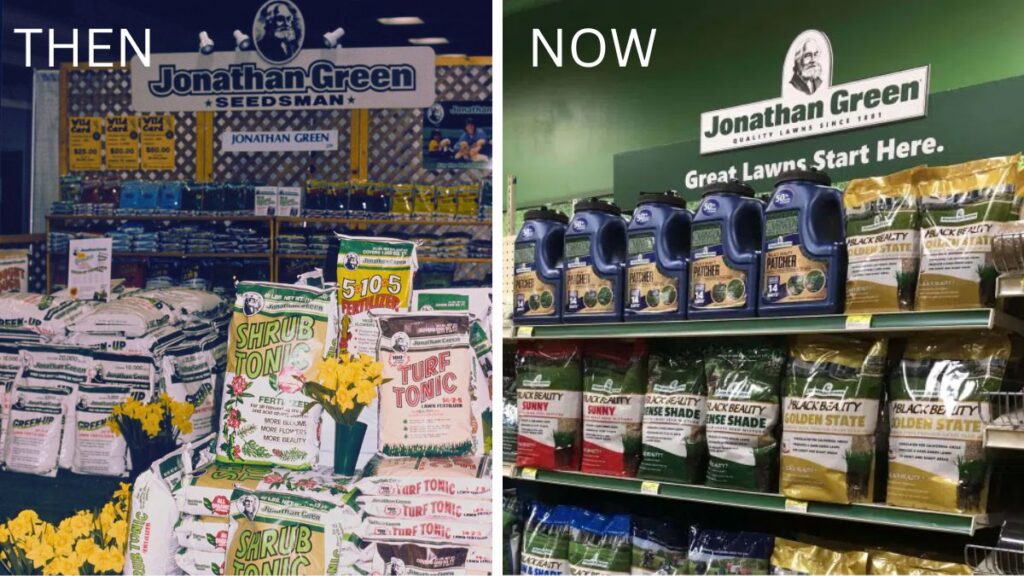
Retailers built their businesses around trusted staples and proven performers. The focus was practical, local, and consistent. Seed, fertilizers, controls, tools, pottery, and seasonal essentials formed the backbone of the business, and for good reason: these were the products customers counted on year after year.
Those categories still matter today. In many ways, they remain the foundation of the lawn and garden business. But over time, the way customers shop those categories, and what they expect from them, has changed significantly.
When Gardening Became Lifestyle
Over time, the category began to expand beyond pure function.
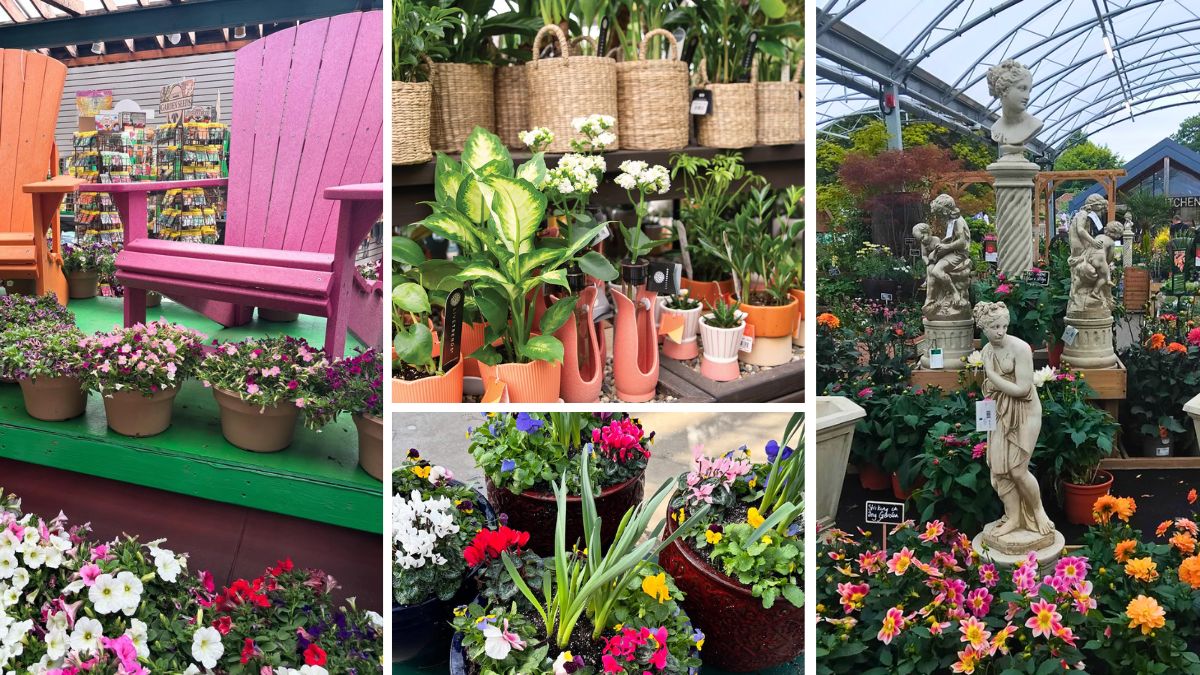
Gardening shifted from routine to recreation. Outdoor living became part of home design. Houseplants moved from occasional purchase to lifestyle statement. Pottery became more than a container; it became part of a customer’s aesthetic.
Consumers no longer shopped only for what they needed to maintain a lawn or grow a garden. They shopped for inspiration, self-expression, convenience, and experience.
That shift changed the role of assortment planning. Products had to do more than perform. They also had to connect with how customers wanted to live, decorate, entertain, and personalize their spaces.
From Staple Products to Story-Driven Assortments
Innovation in breeding and plant development introduced more variety in color, form, durability, and performance. New solutions in soils and plant foods made the category more specialized and more approachable, helping consumers feel more confident in areas like edible gardening, houseplants, raised beds, pollinator support, and organic growing.
As the category evolved, so did the merchandising strategy behind it.
Success was no longer just about stocking staples. It became about building assortments that balanced reliability with discovery. Customers still needed the classics, but they also wanted what was new, relevant, and easy to connect with.
The categories that gained momentum were often the ones that combined function with story: giftable plants, decorative pottery, self-watering containers, sustainable growing solutions, and products that felt as appealing to buy as they were useful to own.
75 Years of Change:

From utility-driven assortments to lifestyle-led merchandising

From core staples to specialized solutions

From seasonal shopping to year-round inspiration

From product-first displays to experience-driven retail
What Innovation Looks Like Today
In recent years, consumer expectations have continued to push the category forward.
Convenience matters more. Education matters more. Visual appeal matters more. Today’s shoppers want products that are approachable, inspiring, and aligned with their lifestyles. They are often looking for more than function alone. They want design, ease, sustainability, wellness, and a stronger sense of connection to what they are buying.
Younger consumers have played a major role in this evolution. Millennials and Gen Z have entered the lawn and garden space with different expectations than the generations before them. They are highly visual, digitally influenced, and often motivated by home projects, self-expression, pollinator awareness, edible gardening, and outdoor living.
That has created new energy around categories like indoor plants, specialty soils, décor-forward pottery, environmentally conscious inputs, and products that make gardening feel easier and more rewarding.

What This Means for Retailers and Vendors
For retailers, this evolution has created both challenge and opportunity. The goal is no longer just to stock what customers need, but to create assortments that feel current, cohesive, and exciting while still delivering on the basics.
For vendors, innovation has meant listening more closely to how consumers shop, live, and garden. The strongest products are not simply new for the sake of being new. They respond to real shifts in behavior, values, and buying habits.
That balance may be one of the defining lessons of the last 75 years: the most successful assortments are often the ones that bring together trusted essentials and emerging favorites in a way that feels relevant to today’s customer.
Growing Into the Next Chapter
The lawn and garden industry has never been static. It has always responded to the world around it, whether through product innovation, changing consumer habits, or new ways of thinking about the home and garden.
At Arett, we have had the privilege of watching that evolution unfold across generations. For 75 years, we have worked alongside retailers and vendor partners as categories expanded, consumer interests shifted, and new opportunities emerged across the industry.
From longstanding essentials to today’s new favorites, the story of category innovation is also a story of partnership, adaptability, and shared growth.
And the story is still being written.
The next chapter of lawn and garden innovation will likely be shaped by many of the same forces that brought us here: changing lifestyles, better product solutions, new merchandising ideas, and a continued blending of function, design, and experience.
After 75 years, that is what stands out most. Not just how much has changed, but how consistently this industry has found new ways to grow.